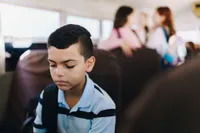
How to Manage Childhood Anxiety Effectively
Childhood anxiety is a common but often misunderstood mental health concern. It can impact children’s ability to focus, socialize, and enjoy everyday activities. By understanding the causes, identifying symptoms, and implementing effective strategies, parents, teachers, and caregivers can help children manage anxiety and build resilience.
What is Childhood Anxiety?
Childhood anxiety refers to persistent worry, fear, or unease that disrupts a child’s daily life. While it is normal for children to experience occasional anxiety, such as before a test or a big event, chronic anxiety can interfere with their emotional and physical well-being.
What Causes Anxiety in Children?
Anxiety in children can arise from various factors, including:
- Genetics: A family history of anxiety or other mental health conditions.
- Environment: Stressful home or school environments, bullying, or significant life changes.
- Personality Traits: Children who are naturally shy or sensitive may be more prone to anxiety.
- Trauma: Experiences such as loss, accidents, or witnessing conflict can trigger anxiety.
How Can You Recognize Anxiety in Children?
Recognizing the signs of anxiety is crucial for early intervention. Symptoms may include:
- Excessive worry about daily activities or events.
- Physical symptoms like stomachaches, headaches, or fatigue.
- Avoidance of social situations or school.
- Difficulty concentrating.
- Restlessness or irritability.
Strategies for Managing Childhood Anxiety
1. Open Communication
Encourage children to talk about their feelings. Create a supportive environment where they feel safe expressing their worries.
2. Teach Relaxation Techniques
Simple practices such as deep breathing, mindfulness, or progressive muscle relaxation can help children calm their minds and bodies.
3. Establish a Routine
Consistent daily routines provide children with a sense of stability and predictability, reducing anxiety.
4. Limit Exposure to Stressors
Monitor and reduce unnecessary stressors, such as over-scheduling or exposure to distressing news.
5. Promote Healthy Habits
Ensure children get adequate sleep, eat nutritious meals, and engage in physical activity. These habits support overall mental health.
How Can Schools Support Children with Anxiety?
Schools play a vital role in helping children manage anxiety. Strategies include:
- Providing access to school counselors or psychologists.
- Implementing social-emotional learning (SEL) programs.
- Allowing accommodations such as extra time on tests or a quiet space to regroup.
- Encouraging open communication between teachers, parents, and students.
How Can Parents and Caregivers Help?
1. Be a Role Model
Demonstrate healthy coping mechanisms and a positive attitude towards challenges.
2. Educate Yourself
Learn about anxiety to better understand what your child is experiencing and how to help.
3. Seek Professional Help
If anxiety persists or worsens, consult a child psychologist or therapist for guidance.
4. Use Positive Reinforcement
Celebrate small achievements to boost your child’s confidence and resilience.
Local Resources for Childhood Anxiety Support
In Roseville, CA, families have access to various resources, including support groups, therapy centers, and community programs focused on mental health. Collaborating with local schools and healthcare providers ensures children receive comprehensive support.
FAQs About Childhood Anxiety
1. Is anxiety in children common?
Yes, anxiety is common and affects many children. Recognizing and addressing it early can prevent long-term challenges.
2. Can anxiety go away on its own?
Mild anxiety may improve over time, but persistent anxiety often requires intervention to manage effectively.
3. How can I help my child overcome fear of school?
Work with teachers to understand and address the root cause. Gradual exposure and encouragement can also help.
4. Are medications necessary for childhood anxiety?
In some cases, medication may be recommended alongside therapy, but it is not always necessary. And not my first option!
5. How do I know if my child needs professional help?
If anxiety interferes with daily life or persists despite efforts to manage it, consult a mental health professional.
Conclusion
Managing childhood anxiety is a collaborative effort that involves parents, educators, and communities. By understanding the causes, recognizing symptoms, and implementing effective strategies, we can help children overcome anxiety and thrive. Remember, early intervention is key to fostering long-term emotional well-being.